
The Importance of Proper Attic Ventilation: What You Need to Know
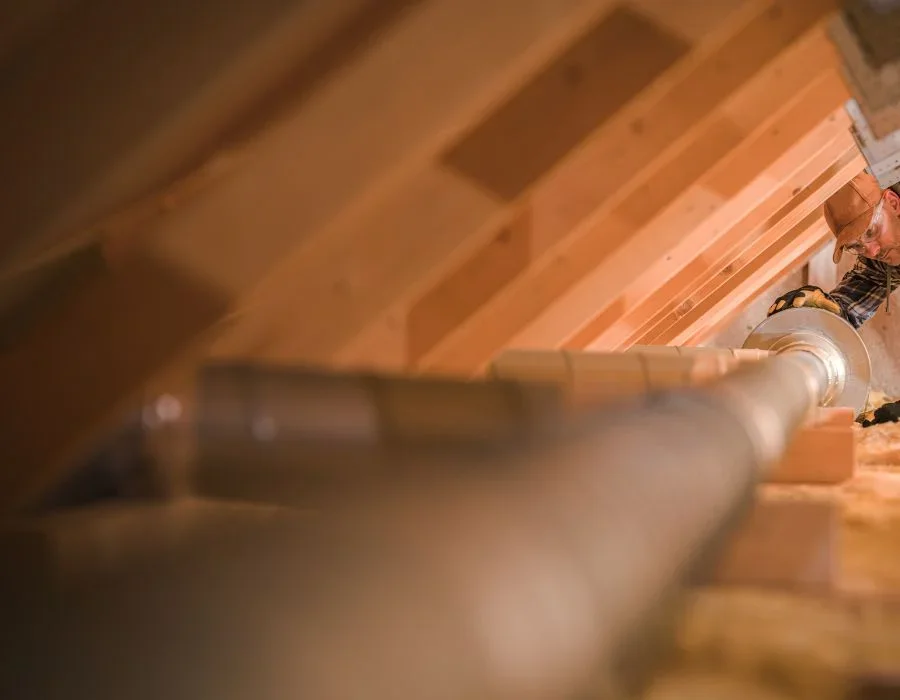
TL;DR: Proper attic ventilation is crucial for maintaining a healthy and efficient home. It helps regulate temperature, control moisture, and prevent issues like roof damage, mold, ice dams, and high energy costs. Effective ventilation requires a balance between intake and exhaust vents. Common ventilation systems include ridge vents, soffit vents, gable vents, turbine vents, and powered attic fans. Investing in the right ventilation system protects your home, reduces energy bills, and improves indoor air quality.
Proper attic ventilation is a critical component of a healthy and efficient home. It plays a vital role in regulating temperature, controlling moisture, and preserving the integrity of your roof and attic structure. Despite its importance, attic ventilation is often overlooked by homeowners. This blog will explore the importance of proper attic ventilation, the common problems caused by poor ventilation, and the various types of ventilation systems available.
Understanding Attic Ventilation
Attic ventilation works by allowing fresh air to enter and exit the attic space, creating a balanced airflow. This process helps regulate the temperature inside the attic, preventing it from becoming too hot in the summer and too cold in the winter. Proper ventilation also reduces moisture buildup, which can lead to mold, mildew, and structural damage.
The key to effective attic ventilation is having a balance between intake and exhaust vents. Intake vents, usually located at the soffits, allow fresh air to enter the attic. Exhaust vents, typically placed at the ridge or gable ends, let hot, moist air escape. This continuous airflow cycle helps maintain a stable attic environment, protecting your home from various issues.
Common Problems Caused by Poor Ventilation
Poor attic ventilation can lead to a range of problems, affecting both your home’s structure and your comfort. Some of the most common issues include:
Roof Damage: Excessive heat in the attic can cause shingles to deteriorate prematurely, leading to costly repairs or replacements.
Mold and Mildew: High moisture levels in the attic can create a breeding ground for mold and mildew, which can affect indoor air quality and cause health problems.
Ice Dams: In colder climates, poor ventilation can lead to the formation of ice dams, which can damage the roof and cause water leaks.
Increased Energy Costs: Without proper ventilation, your HVAC system has to work harder to regulate indoor temperatures, resulting in higher energy bills.
Compromised Insulation: Moisture buildup can reduce the effectiveness of your attic insulation, decreasing your home’s energy efficiency.
Types of Attic Ventilation Systems
Several types of attic ventilation systems can help maintain proper airflow in your attic. Here are some of the most common options:
Ridge Vents: Installed along the roof’s peak, ridge vents provide continuous exhaust ventilation. They are discreet and effective, making them a popular choice for many homeowners.
Soffit Vents: These intake vents are installed under the eaves of the roof. They work in conjunction with exhaust vents to ensure a steady flow of fresh air into the attic.
Gable Vents: Located on the exterior walls of the attic, gable vents allow air to escape from the attic. They are often used in combination with other ventilation systems for improved airflow.
Turbine Vents: Also known as whirlybirds, these exhaust vents use wind power to draw hot air out of the attic. They are an economical and efficient ventilation option.
Powered Attic Fans: These electric fans actively pull hot air out of the attic, providing more control over ventilation. They are particularly useful in regions with extreme temperatures.
Final Thoughts
Proper attic ventilation is essential for maintaining a healthy, energy-efficient home. By understanding how attic ventilation works, recognizing the problems caused by poor ventilation, and choosing the right ventilation system, you can protect your home from damage, reduce energy costs, and improve indoor air quality. If you’re unsure about your attic’s ventilation needs, consider consulting a professional to assess your home’s specific requirements. Investing in proper attic ventilation is a smart move that pays off in the long run, ensuring your home remains comfortable and well-protected for years to come.
FAQs
Why is attic ventilation important?
Proper attic ventilation regulates temperature and moisture levels, preventing issues like roof damage, mold growth, and high energy costs. It helps maintain a stable attic environment, improving the overall health and efficiency of your home.
What are the signs of poor attic ventilation?
Signs of poor attic ventilation include excessive heat in the attic, noticeable mold or mildew, ice dams on the roof, increased energy bills, and deteriorating roof shingles. If you observe any of these signs, it’s essential to address your attic ventilation issues promptly.
What are the different types of attic ventilation systems?
Common types of attic ventilation systems include ridge vents, soffit vents, gable vents, turbine vents, and powered attic fans. Each system has its advantages and can be chosen based on your specific ventilation needs and climate conditions.
How can I improve my attic ventilation?
To improve attic ventilation, ensure a balance between intake and exhaust vents. Consider installing ridge vents or soffit vents, and use turbine vents or powered attic fans for enhanced airflow. Consulting a professional can help you choose the best ventilation system for your home.